

Check out this article next
Not long ago, sellers focused heavily on traditional curb appeal.
Fresh mulch, trimmed hedges, pressure-washed driveways, and colorful flower beds were considered essential for attracting buyers. While those details still matter, the way buyers discover homes has changed dramatically.
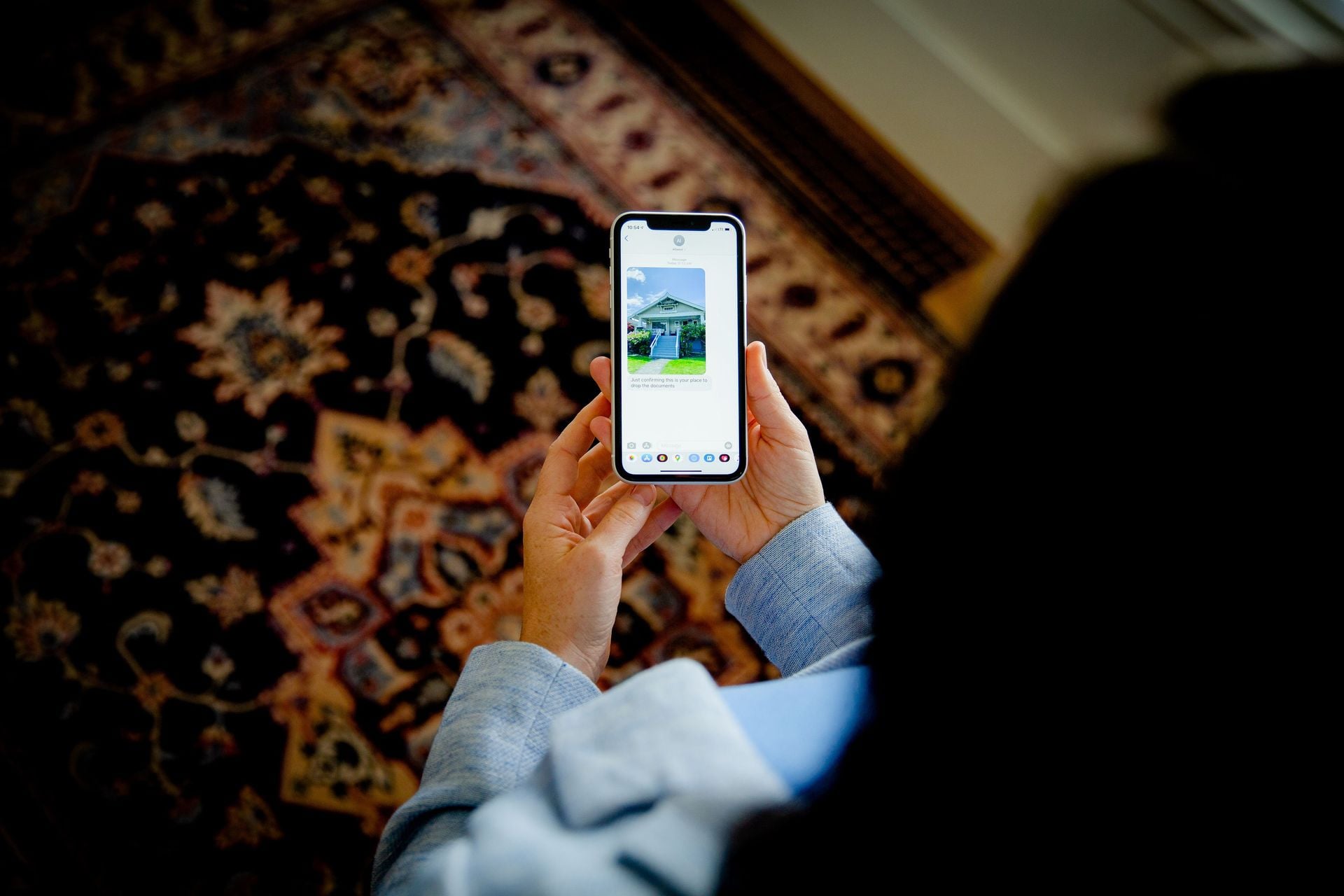
Today, the vast majority of buyers begin their search online. Before they ever drive through a neighborhood or attend a showing, they view listings on smartphones, tablets, and computers.
That means the first impression of your home is no longer made from the curb.
It's made on a screen.
In today's real estate market, digital curb appeal can determine whether buyers click on your listing, schedule a showing, or scroll right past it.
What Is Digital Curb Appeal?
Digital curb appeal refers to how attractive and engaging your property appears online.
It's the combination of:
- Professional listing photos
- Video walkthroughs
- Virtual tours
- Property descriptions
- Pricing presentation
- Social media marketing
- Overall visual presentation
Just as traditional curb appeal influences a buyer's opinion when they arrive at a home, digital curb appeal influences their opinion before they ever leave the couch.
And in many cases, it determines whether they'll visit the property at all.
Why Mobile Devices Are Driving Real Estate Decisions
Modern buyers spend hours browsing listings on their phones.
Instead of visiting multiple neighborhoods every weekend, they narrow down their options online first.
As a result, buyers are making rapid decisions based on what they see in search results.
When scrolling through dozens of homes, they're asking themselves:
- Does this home catch my attention?
- Does it look move-in ready?
- Is it worth learning more about?
- Can I picture myself living there?
If the answer isn't immediately clear, buyers move on.
Your listing often has only a few seconds to stand out.
The New Front Door Is Your First Photo
The first image buyers see is now more important than the actual front door.
On listing platforms, buyers are presented with dozens of homes at once. The primary photo is what determines whether they click or keep scrolling.
An effective first image should:
- Be professionally photographed
- Showcase the home's strongest feature
- Have excellent lighting
- Be clean and uncluttered
- Create an emotional response
A weak cover photo can reduce interest significantly, even if the home itself is exceptional.
Professional Photography Creates Competitive Advantage
One of the biggest mistakes sellers make is underestimating photography.
Buyers expect professional-quality visuals. Listings with poor lighting, awkward angles, blurry images, or cluttered spaces often struggle to generate interest.
Professional real estate photography helps:
- Increase online engagement
- Improve click-through rates
- Generate more showing requests
- Highlight key selling points
- Create a stronger perception of value
In a digital-first market, photography is one of the highest-return investments sellers can make.
Designing Rooms for the Camera
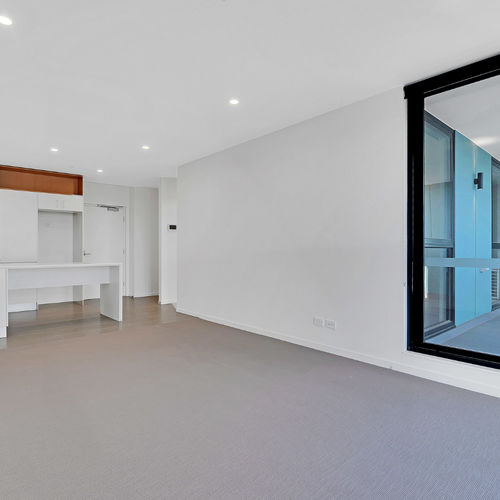
A room can feel spacious in person but appear cramped online.
That's why preparing a home for photography is different from preparing it for everyday living.
Before photos are taken:
- Remove excess furniture
- Clear countertops
- Minimize personal items
- Open blinds and curtains
- Add fresh, neutral décor
The goal is to create clean, inviting spaces that photograph well and help buyers imagine themselves living there.
Video and Virtual Tours Are Becoming Essential
Buyers increasingly expect more than static photos.
Video walkthroughs and virtual tours provide a better understanding of the home's layout and flow.
These tools help:
- Increase buyer engagement
- Keep visitors on listings longer
- Generate stronger emotional connections
- Attract out-of-town buyers
- Pre-qualify serious prospects
As technology continues to shape the home-buying process, video marketing is becoming a major competitive advantage.
Pricing Is Part of Digital Marketing
Many sellers think pricing only affects offers.
In reality, pricing affects visibility.
Most buyers search using specific price filters. If your home falls outside a common search range, it may never appear in front of qualified buyers.
Strategic pricing can:
- Increase listing exposure
- Generate more clicks
- Drive additional showings
- Improve buyer engagement
The right price doesn't just attract offers—it attracts attention.
Listings Are Competing for Attention, Not Just Buyers
A common misconception is that homes compete only with nearby listings.
The truth is that homes compete for attention.
Every time a buyer opens a real estate app, your listing competes with dozens of other properties for a single click.
The listings that win are usually those with:
- Exceptional photography
- Strong presentation
- Effective staging
- Compelling descriptions
- Strategic pricing
- Consistent online promotion
Attention creates showings.
Showings create offers.
Offers create successful sales.
How Sellers Can Improve Their Digital Curb Appeal
If you're preparing to sell, focus on these key areas:
Invest in Professional Photography
High-quality images create stronger first impressions and increase engagement.
Stage With the Camera in Mind
Design rooms to look clean, bright, and spacious online.
Consider Video Marketing
Video tours help buyers connect with the property before visiting.
Write Descriptions That Sell Lifestyle
Highlight benefits, not just features.
Price Strategically
Maximize visibility by positioning your home within key buyer search ranges.
Final Thoughts
Today's buyers aren't driving through neighborhoods first.
They're scrolling.
That's why digital curb appeal has become one of the most important factors in successful home marketing.
The homes that stand out online often generate more interest, more showings, and stronger offers.
While traditional curb appeal still matters, the first impression that truly counts now happens on a screen.
If you want buyers to stop scrolling and start scheduling showings, your home needs to be designed for the way people shop today.
And that means designing for the screen.