

Check out this article next
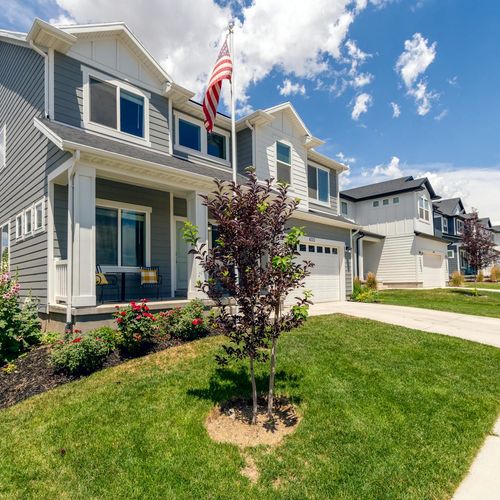
For years, homebuyers focused heavily on square footage, price per square foot, and resale value. While those factors still matter, today’s buyers are increasingly asking a different question first:
“How will this home support the way I actually live?”
The modern real estate market is shifting toward a lifestyle-first approach to home buying. Instead of choosing a property based solely on numbers, buyers are prioritizing convenience, comfort, routines, flexibility, and overall quality of life.
Whether you work remotely, commute daily, raise a family, entertain often, or simply want more peace and balance, your home should fit your everyday lifestyle—not just your budget.
If you are planning to buy a home in today’s market, here is why lifestyle-based home buying is becoming more important than ever.
What Is Lifestyle-First Home Buying?
A lifestyle-first approach means choosing a home based on how it supports your daily habits, priorities, and long-term goals.
Instead of asking:
- How many square feet does this home have?
- Is this the cheapest option available?
Buyers are asking:
- How long is the commute?
- Does the layout work for remote work?
- Is the neighborhood walkable?
- Is there space for hobbies, fitness, or entertaining?
- Does this home reduce stress or add to it?
- Will this home still fit my life in five years?
This shift is changing how people evaluate homes and neighborhoods.
Why Buyers Are Prioritizing Lifestyle Over Size
Many buyers are realizing that bigger is not always better.
A massive home with a difficult commute, poor layout, or inconvenient location may create daily frustration. Meanwhile, a slightly smaller home in the right area with the right features can dramatically improve quality of life.
Today’s buyers often prioritize:
- Shorter commutes
- Flexible floor plans
- Outdoor living spaces
- Home offices
- Nearby dining and shopping
- Walkable communities
- Access to parks and recreation
- Low-maintenance living
- Smart home technology
- Quiet neighborhoods
The result is a more intentional approach to buying real estate.
The Importance of Your Daily Routine
One of the smartest ways to evaluate a property is to think through a typical weekday.
Ask yourself:
- Where will mornings feel easiest?
- How long will errands take?
- Is there enough storage and functionality?
- Does the kitchen fit your cooking habits?
- Is there room to work from home comfortably?
- Will traffic become exhausting?
- Is the backyard usable for your lifestyle?
- Does the neighborhood match your pace of life?
The right home should make your routines feel smoother—not harder.
Remote Work Changed Buyer Priorities
The rise of remote and hybrid work has permanently changed buyer behavior.
People no longer shop for homes based solely on proximity to an office. Instead, buyers are looking for:
- Dedicated office spaces
- Quiet environments for video calls
- Multi-functional rooms
- Strong internet access
- Flexible layouts
- Comfortable indoor-outdoor living
Homes that support work-life balance have become especially desirable.
This is one reason why lifestyle-focused real estate trends continue growing across many markets.
Neighborhood Matters More Than Ever
A home is only part of the equation. Your surrounding environment plays a major role in daily happiness.
Many buyers now prioritize:
- Walkability
- Community feel
- Nearby restaurants and coffee shops
- Fitness centers and parks
- School access
- Entertainment options
- Safety and convenience
- Outdoor recreation
In many cases, buyers are willing to sacrifice a little square footage to gain a neighborhood that better fits their lifestyle.
Think Long-Term, Not Just Right Now
A lifestyle-first home purchase should also account for future needs.
Consider questions like:
- Will your family grow?
- Could you work remotely long term?
- Do you plan to age in place?
- Will hobbies or routines change?
- Will the home remain functional during life transitions?
Buying based on long-term livability can help you avoid moving again sooner than expected.
Emotional Comfort Matters in Real Estate
One overlooked factor in home buying is emotional comfort.
The right home often creates a feeling buyers notice immediately:
- The space feels calming
- The layout feels natural
- The home supports daily routines
- The environment feels aligned with personal goals
That emotional connection matters because your home impacts your stress levels, productivity, relationships, and overall well-being every single day.
A Lifestyle-First Strategy Can Prevent Buyer Regret
One common mistake buyers make is purchasing a home based entirely on price or aesthetics while ignoring functionality.
This can lead to:
- Commute frustration
- Poor storage
- Awkward layouts
- Lack of privacy
- Noise issues
- Limited flexibility
- Maintenance stress
A lifestyle-focused strategy helps buyers avoid these common pain points by prioritizing practical daily living from the beginning.
How to Buy a Home That Truly Fits Your Life
Before you start touring homes, create a list of your real daily priorities.
Focus on:
- Your schedule
- Your routines
- Your work setup
- Your commute
- Your hobbies
- Your family needs
- Your ideal neighborhood feel
- Your future plans
This approach helps narrow your search toward homes that improve your quality of life—not just homes that look impressive online.
Final Thoughts
The best home is not always the largest, newest, or most expensive property on the market. The best home is the one that fits your daily life.
As buyer priorities continue evolving, lifestyle-first home buying is becoming one of the smartest ways to make a confident real estate decision.
When your home supports your routines, reduces stress, and aligns with your long-term goals, you create more than a real estate investment—you create a better everyday experience.
If you are planning to buy a home, focus on how you want to live first. The right property choice often becomes much clearer from there.